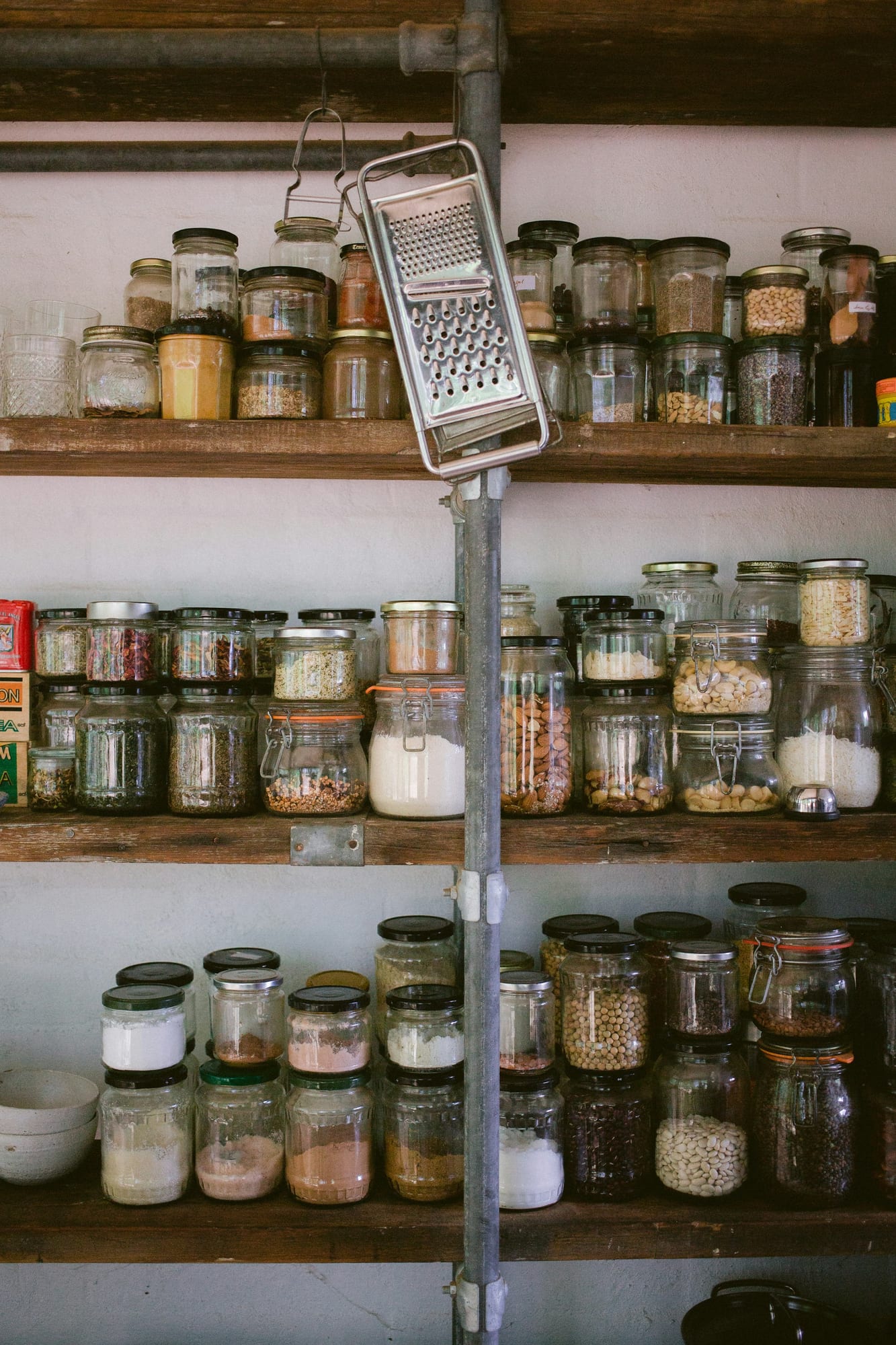
The Glass Bottle Revolution
In my journey toward a more sustainable and health-conscious lifestyle, few changes have been as impactful as switching from plastic to glass bottles. What started as a simple decision to reduce plastic waste evolved into a complete transformation of how our family stores, carries, and consumes beverages.
Glass bottles aren't just an eco-friendly alternative—they're a superior choice in almost every way. Let me share why making this switch has been one of the best decisions for my family's health and our environmental footprint.
The Problem with Plastic Bottles
Before we dive into the benefits of glass, let's understand what we're moving away from:
Health Concerns
Chemical Leaching
- BPA and other chemicals can leach into your drinks
- Heat and acidic beverages accelerate leaching
- Even "BPA-free" plastics contain other concerning chemicals
- Long-term exposure risks are still being studied
Bacterial Growth
- Plastic scratches harbor bacteria
- Difficult to thoroughly clean
- Odors and flavors linger
- Can't be properly sterilized
Environmental Impact
The statistics are sobering:
- 1 million plastic bottles are purchased every minute globally
- Only 9% of all plastic ever made has been recycled
- Plastic bottles take 450+ years to decompose
- Microplastics are now found in our water, food, and even air
Economic Cost
- Average family spends $1,000+ annually on bottled water
- Single-use culture wastes money
- Continuous repurchasing cycle
- Hidden costs of environmental cleanup
Why Glass Bottles Are Superior
Glass offers benefits that plastic simply cannot match:
1. Health and Safety
Completely Inert Material
- Zero chemical leaching
- No taste or odor transfer
- Safe at any temperature
- No harmful substances
Easy to Sanitize
- Can withstand boiling water
- Dishwasher safe at high temperatures
- No scratches to harbor bacteria
- Crystal clear visibility to check cleanliness
Maintains Beverage Quality
- Preserves taste and freshness
- Doesn't absorb flavors
- Keeps drinks pure
- Perfect for sensitive beverages
2. Environmental Benefits
Infinitely Recyclable
- Can be recycled endlessly without quality loss
- 80% of glass is recycled into new bottles
- Lower carbon footprint over lifetime
- Supports circular economy
Long Lifespan
- Can last for years or even decades
- Doesn't degrade like plastic
- Maintains quality indefinitely
- Reduces consumption of new resources
Lower Overall Impact
- No microplastic pollution
- Doesn't release toxins when degrading
- Made from abundant natural materials
- Energy-efficient recycling process
3. Economic Value
One-Time Investment
- Quality glass bottles last years
- Saves thousands on bottled water
- No need for constant replacement
- Better long-term value
Versatile Usage
- Water, juice, smoothies, tea
- Hot or cold beverages
- Food storage
- Homemade drinks and infusions
Types of Glass Bottles for Different Needs
Not all glass bottles are created equal. Here's how to choose:
Water Bottles
What to Look For:
- Protective silicone sleeve
- Wide mouth for easy cleaning
- Leak-proof cap
- 16-32 oz capacity
- Ergonomic design
Best Uses:
- Daily hydration
- Exercise and sports
- Commuting
- Office use
Beverage Bottles
Features:
- Swing-top or screw cap
- Various sizes (8-64 oz)
- Some with measurements
- Easy-pour design
Ideal For:
- Homemade juices
- Kombucha
- Cold brew coffee
- Infused water
- Milk alternatives
Storage Bottles
Characteristics:
- Airtight seals
- Various shapes and sizes
- Stackable design
- Wide mouth options
Perfect For:
- Pantry storage
- Meal prep
- Batch cooking
- Dry goods
- Homemade sauces
Making the Switch: Practical Tips
Getting Started
Start Small
- Replace your most-used bottles first
- Get one quality bottle for each family member
- Keep bottles visible and accessible
- Make it convenient to use them
Choose Quality
- Invest in durable borosilicate glass
- Look for protective sleeves
- Check for secure, leak-proof lids
- Read reviews from long-term users
Daily Integration
At Home
- Keep filled bottles in the fridge
- Designate bottles for specific family members
- Create a cleaning routine
- Store extras in accessible locations
On the Go
- Use insulated carriers for protection
- Keep extra bottles in your car
- Pack bottles in dedicated compartments
- Have backup bottles for activities
At Work
- Keep a bottle at your desk
- Refill at water fountains or filters
- Store in safe location
- Clean weekly
Overcoming Common Concerns
"They're Too Heavy"
Solutions:
- Choose smaller sizes for portability (16-20 oz)
- Use protective sleeves with handles
- Build up gradually—glass is only slightly heavier
- The benefits outweigh the minor weight difference
"What If It Breaks?"
Reality Check:
- Quality glass bottles are surprisingly durable
- Protective sleeves prevent most breaks
- Proper care means years of use
- Breakage rate is lower than you'd expect
Preventive Measures:
- Use silicone sleeves
- Avoid extreme temperature changes
- Store safely when not in use
- Handle with basic care
"They're More Expensive"
True Value:
- Initial cost: $15-30 per bottle
- Replaces hundreds of plastic bottles
- Lasts for years
- Breaks even within months
- Priceless health benefits
"Cleaning Seems Difficult"
Easy Maintenance:
- Dishwasher safe
- Bottle brushes work perfectly
- Vinegar removes any residue
- Baking soda for tough stains
- 2 minutes daily keeps them fresh
Care and Maintenance
Daily Cleaning
Simple Routine:
- Rinse immediately after use
- Wash with hot soapy water
- Use bottle brush for interior
- Rinse thoroughly
- Air dry upside down
Deep Cleaning (Weekly)
Method:
- Fill with hot water and baking soda
- Let soak 30 minutes
- Scrub with bottle brush
- Rinse with vinegar solution
- Final rinse with hot water
Removing Odors
Natural Solutions:
- Baking soda overnight
- Vinegar and water soak
- Lemon juice rinse
- Sunlight exposure
- Fresh air drying
Creative Uses Beyond Beverages
Glass bottles are incredibly versatile:
Kitchen Applications
Food Storage
- Homemade sauces and dressings
- Bulk dry goods
- Overnight oats
- Salad layers
- Soup portions
Beverage Making
- Infused waters
- Cold brew coffee
- Kombucha brewing
- Homemade sodas
- Nut milks
Home Organization
Non-Food Uses
- Bathroom products
- Craft supplies
- Small hardware
- Office supplies
- Plant propagation
The Bigger Impact
Switching to glass bottles creates ripples beyond your personal health:
Environmental Contribution
Your Impact:
- One person can save 150+ plastic bottles per year
- Family of four: 600+ bottles annually
- Over 10 years: 6,000 bottles prevented
- Reduced microplastic pollution
- Lower carbon footprint
Health Benefits
Long-Term Wellness:
- Reduced chemical exposure
- Better hydration habits
- Pure beverage taste
- Peace of mind
- Setting healthy examples for children
Economic Savings
Financial Freedom:
- Year 1 savings: $400-800
- 10-year savings: $4,000-8,000
- Plus environmental cleanup costs avoided
- Investment in reusable quality
Teaching the Next Generation
Help your children embrace sustainable choices:
Make It Fun
Engagement Ideas:
- Let kids choose their bottle design
- Create personalized labels
- Track water intake together
- Reward hydration goals
- Make infused water "experiments"
Build Habits
Teaching Moments:
- Explain environmental impact
- Show plastic pollution videos
- Visit recycling centers
- Calculate savings together
- Discuss health benefits
My Family's Transformation
Since switching to glass bottles two years ago:
What Changed:
- Zero plastic bottles in our home
- Reduced waste by 80%
- Saved approximately $1,200
- Improved family hydration
- Kids now choose water over other drinks
Unexpected Benefits:
- More mindful about beverage choices
- Reduced impulse purchases
- Beautiful functional items in our home
- Sparked other sustainable changes
- Pride in our environmental contribution
Getting Your Family On Board
Address Resistance
Common Objections: "I'll break it" → Start with protective sleeves "Too heavy" → Try lighter 16 oz options "Not convenient" → Keep multiple bottles ready "Too expensive" → Calculate long-term savings
Create Success
Implementation Strategy:
- Start with weekend use at home
- Gradually extend to daily activities
- Make bottles easily accessible
- Keep them clean and ready
- Celebrate the positive changes
Choosing Your First Glass Bottles
For Beginners
Starter Set:
- 2 personal water bottles (20-24 oz)
- 1 large beverage bottle (32-64 oz)
- 2-3 storage bottles (various sizes)
Budget: $50-100 for quality starter set
Growing Your Collection
Add As Needed:
- Specialized bottles for specific uses
- Different sizes for different activities
- Backup bottles for convenience
- Decorative bottles for display
Beyond Bottles: Complete Glass Transition
Once you love glass bottles, consider:
Kitchen Expansion
Other Glass Swaps:
- Food storage containers
- Drinking glasses
- Measuring cups
- Mixing bowls
- Baking dishes
Lifestyle Integration
Sustainable Systems:
- Glass jars for bulk shopping
- Mason jars for meal prep
- Glass straws
- Glass food carriers
The Environmental Math
Let's break down the real impact:
Individual Impact
- 1 reusable bottle = 167 plastic bottles/year
- 1 family = 668 plastic bottles/year saved
- 1 community = thousands prevented
Collective Change
When more people switch:
- Reduced plastic production
- Lower fossil fuel demand
- Cleaner waterways
- Healthier ecosystems
- Better future for our children
Your Action Plan
Ready to make the switch? Here's your roadmap:
This Week
- Research and purchase your first quality glass bottle
- Start using it at home
- Begin tracking plastic bottle usage
- Share your decision with family
This Month
- Expand to work/school use
- Purchase bottles for family members
- Calculate current plastic bottle costs
- Establish cleaning routine
This Year
- Complete transition from plastic
- Calculate savings and impact
- Inspire others with your success
- Explore other sustainable swaps
Conclusion: Small Change, Big Impact
Switching to glass bottles represents more than just a product choice—it's a commitment to health, sustainability, and mindful living. While the change might seem small, its impact ripples outward, affecting your health, finances, environment, and the legacy you leave for future generations.
Every time you fill your glass bottle instead of buying plastic, you're voting for a cleaner planet, healthier body, and more sustainable future. You're teaching your children that convenience doesn't have to come at the cost of the environment. You're proving that individual choices matter.
The journey to sustainable living isn't about perfection—it's about progress. And glass bottles? They're one of the easiest, most beneficial steps you can take.
So fill up that beautiful glass bottle, take a sip of pure, chemical-free water, and feel good knowing you're making a difference—one bottle at a time.
Ready to make the switch? Start with just one bottle this week. Your body, wallet, and planet will thank you. Share your glass bottle journey with us—we'd love to hear about your experience!