The Turning Point
One day, while unpacking yet another bulk order of paper towels from Costco, I had a moment of clarity. The towering stack of plastic-wrapped rolls seemed excessive, wasteful, and completely unnecessary. That single moment sparked a journey that would not only transform my kitchen but also significantly impact my household budget and environmental footprint.
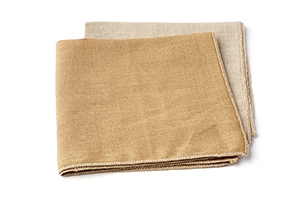
The switch to reusable organic cotton dish cloths has been one of the simplest yet most impactful changes I've made in my journey toward sustainable living as a Ronin Mom.
The Problem with Paper Towels
Before we dive into the solution, let's understand what we're moving away from:
Environmental Impact
The statistics are staggering:
- Americans use over 13 billion pounds of paper towels annually
- It takes 17 trees and 20,000 gallons of water to produce one ton of paper towels
- Most paper towels aren't recyclable due to contamination
- They take 2-4 weeks to decompose in landfills (longer if they're printed or bleached)
Financial Cost
The numbers add up quickly:
- Average household spends $100-150 per year on paper towels
- Over 10 years, that's $1,000-1,500
- Bulk buying doesn't significantly reduce this cost
- Price per roll continues to increase
Convenience Trap
We've been sold convenience:
- One-time use seems easier
- No washing required
- Always have to buy more
- Storage space needed for bulk purchases
Why Organic Cotton Dish Cloths?
Organic cotton dish cloths offer a superior alternative:
Environmental Benefits
Renewable and Biodegradable
- Made from natural, renewable resources
- Biodegrades completely at end of life
- No harmful chemicals in organic cotton farming
- Reduces plastic packaging waste
Reduced Water Usage
- While cotton farming uses water, the reusable nature means less overall consumption
- Organic cotton uses significantly less water than conventional cotton
- One cloth replaces hundreds of paper towel rolls
Lower Carbon Footprint
- Less manufacturing energy over the product's lifetime
- Reduced transportation impact (fewer purchases)
- No continuous production cycle needed
Economic Advantages
Significant Savings
- Initial investment: $20-40 for a good set
- Replace every 1-2 years instead of weekly purchases
- Annual savings of $80-120 after first year
- Long-term savings of $1,000+
Better Value
- Each cloth replaces ~50-70 rolls of paper towels
- Can last 1-2 years with proper care
- Multi-purpose functionality
- Higher quality for tougher jobs
Health and Safety
Chemical-Free
- No bleach or dyes in organic cotton
- No risk of paper dust or particles
- Safe for all family members
- Won't scratch surfaces
Superior Cleaning Power
- More absorbent than paper towels
- Better for scrubbing
- Can use less cleaning product
- More effective on tough messes
Making the Switch: A Practical Guide
Getting Started
Initial Purchase
- Buy 15-20 cloths to start
- Choose different sizes for different tasks
- Select neutral colors (they hide stains better)
- Look for certifications (GOTS, OEKO-TEX)
Organizing Your System
- Designate storage areas (clean vs. dirty)
- Have a hamper or bin for used cloths
- Keep some in high-use areas
- Create a washing routine
Daily Usage
In the Kitchen
- Wiping counters and tables
- Drying dishes
- Cleaning up spills
- Drying hands
- Covering rising dough
Beyond the Kitchen
- Bathroom cleaning
- Dusting
- Window cleaning
- Car detailing
- General household cleaning
Care and Maintenance
Washing
- Wash every 1-2 days to prevent bacteria
- Use hot water for best sanitation
- Add white vinegar to remove odors
- Skip fabric softener (reduces absorbency)
Drying
- Air dry when possible
- Tumble dry on medium heat
- They last longer with air drying
- Sunshine naturally bleaches and sanitizes
Storage
- Fold or roll neatly
- Store in dry, ventilated areas
- Separate by purpose (kitchen, bathroom, etc.)
- Inspect regularly for wear
Overcoming Common Concerns
"They'll Get Gross and Smelly"
Solution:
- Wash regularly (every 1-2 days)
- Add white vinegar to wash
- Occasionally strip wash with baking soda
- Sun dry when possible
- Replace annually or as needed
"I Don't Want to Do More Laundry"
Reality:
- Add to existing loads
- One extra load per week maximum
- Wash with towels or kitchen linens
- Quick wash cycles are sufficient
- Time saved not shopping for paper towels
"What About Really Dirty Jobs?"
Answer:
- Some cloths can be designated for tough jobs
- They're actually better for scrubbing
- Can boil to sanitize if needed
- Still reusable even after tough messes
- Keep a few "utility" cloths for these tasks
"My Family Won't Switch"
Strategy:
- Lead by example
- Explain the benefits
- Make them easily accessible
- Gradually reduce paper towel availability
- Show the cost savings
The Numbers: Real Impact
Let's break down the actual impact of making this switch:
Environmental Impact (Per Household, Per Year)
Trees Saved
- Average household uses 100 rolls/year
- Each roll requires ~0.2 trees
- Switching saves ~20 trees annually
- Over 10 years: 200 trees
Water Saved
- Paper towel production uses massive amounts of water
- One household switching saves approximately 10,000 gallons/year
- Over 10 years: 100,000 gallons
Waste Reduction
- 100 rolls × 12 oz = 75 pounds of waste/year
- Plus plastic packaging
- Over 10 years: 750 pounds of waste
Financial Impact
Year 1
- Paper towel cost: $120
- Cotton cloth investment: $30
- Net savings: $90
Years 2-10
- Paper towel cost: $120/year × 9 years = $1,080
- Cotton cloth replacement: $30 every 2 years × 4 = $120
- Net savings: $960
Total 10-Year Savings: $1,050
Beyond Dish Cloths: Expanding Your Reusable Journey
Once you've mastered cloth dish towels, consider:
Other Reusable Options
Napkins
- Cloth napkins for daily meals
- Special ones for gatherings
- Reduce paper napkin waste
Unpaper Towels
- Flannel sheets cut to size
- Snap together for a roll
- Perfect paper towel alternative
Swedish Dishcloths
- Cellulose and cotton blend
- Even more absorbent
- Compostable at end of life
Flour Sack Towels
- Lightweight and quick-drying
- Great for dishes
- Multi-purpose use
Making It Sustainable Long-Term
Creating Habits
Set Yourself Up for Success
- Make cloths easily accessible
- Create a simple washing routine
- Involve the whole family
- Track your savings
Stay Motivated
- Calculate your impact
- Share your journey
- Join online communities
- Celebrate milestones
Teaching the Next Generation
Help your children understand:
- Environmental responsibility
- Financial literacy
- Sustainable practices
- Critical thinking about "convenience"
The Ripple Effect
When you switch to reusable cotton dish cloths, you're doing more than just changing your cleaning routine:
Personal Benefits
- Cleaner conscience
- Financial savings
- Better cleaning results
- Satisfaction of positive change
Family Impact
- Teaching valuable lessons
- Creating sustainable habits
- Improving household health
- Reducing clutter
Community Influence
- Inspiring others
- Creating conversation
- Supporting sustainable businesses
- Contributing to cultural shift
Global Impact
- Reducing deforestation
- Conserving water
- Decreasing landfill waste
- Lowering carbon emissions
Your Action Plan
Ready to make the switch? Here's your step-by-step guide:
Week 1: Preparation
- Order your organic cotton dish cloths
- Set up storage system
- Create washing routine
- Educate family members
Week 2: Transition
- Place cloths in convenient locations
- Start using instead of reaching for paper towels
- Begin washing routine
- Note any adjustments needed
Week 3-4: Optimization
- Fine-tune your system
- Add more cloths if needed
- Establish habits
- Remove paper towels from easy reach
Month 2+: Maintenance
- Continue routine
- Track savings
- Replace as needed
- Expand to other areas
Final Thoughts
Switching to reusable organic cotton dish cloths is one of the easiest, most impactful changes you can make toward sustainable living. It requires minimal effort, saves significant money, and substantially reduces your environmental footprint.
The transition might feel strange for a week or two, but soon you'll wonder why you ever used paper towels in the first place. Your kitchen will be cleaner, your wallet fuller, and your environmental impact lighter.
As a Ronin Mom, I've learned that small, intentional changes create massive impact over time. This simple switch has been a gateway to many other sustainable practices in our home. It's proof that we don't need to make dramatic sacrifices to live more sustainably—we just need to question our habits and choose better alternatives.
Are you ready to make the switch? Your future self, your wallet, and the planet will thank you.
Have you made the switch to reusable dish cloths? Share your experience and tips with our community of sustainable living enthusiasts!